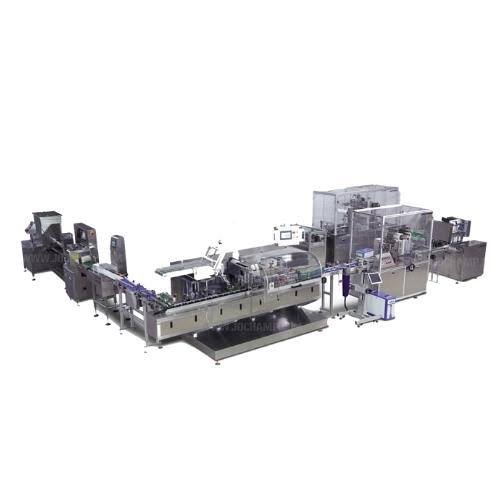
60-80 PPM Shisha Tobacco Packaging Line: High-Speed and Reliable Packaging Solution
The 60-80 PPM Shisha Tobacco Packaging Line is an advanced automated system designed for manufacturers who need fast, accurate, and consistent packaging of shisha tobacco products. With a production speed of 60 to 80 packs per minute (PPM), this packaging line offers an excellent balance between efficiency and product quality. It is suitable for medium to large-scale tobacco production facilities looking to improve productivity while maintaining high packaging standards.
Modern consumers expect premium-quality packaging that protects product freshness and enhances brand appeal. A 60-80 PPM packaging line helps manufacturers achieve these goals through automated filling, sealing, labeling, inspection, and final packing processes.
What Is a 60-80 PPM Shisha Tobacco Packaging Line?
A 60-80 PPM Shisha Tobacco Packaging Line is a fully automated packaging system specifically developed for shisha or hookah tobacco products. The machine is capable of producing between 60 and 80 finished packages every minute while ensuring accurate filling weights, secure sealing, and attractive package presentation.
These systems are commonly used for:
- Flavored shisha tobacco
- Molasses tobacco
- Hookah tobacco
- Premium tobacco products
- Export-quality packaging
The automated process minimizes manual labor while increasing production efficiency and packaging consistency.
Main Components of the Packaging Line
A complete shisha tobacco packaging line includes several integrated machines that work together seamlessly.
Feeding System
The feeding system transports tobacco from storage to the filling machine while maintaining a continuous production flow.
Automatic Filling Machine
The filling machine measures the required amount of shisha tobacco with high precision, reducing waste and maintaining product consistency.
Container or Pouch Forming Unit
Depending on the packaging style, the system prepares containers, trays, cups, or pouches before filling.
Sealing Machine
The sealing unit securely seals the package using heat or pressure, preserving tobacco freshness and preventing moisture loss.
Labeling Machine
Automatic labeling applies product labels accurately while maintaining consistent positioning for professional branding.
Inspection System
Vision cameras and sensors inspect every package for filling accuracy, seal quality, and label alignment.
Cartoning Machine
Finished packages are automatically packed into cartons for storage and transportation.
Key Features of a 60-80 PPM Shisha Tobacco Packaging Line
Modern packaging lines offer numerous advanced features.
Some important features include:
- Production speed of 60-80 packs per minute
- Fully automatic operation
- High filling accuracy
- Stainless steel construction
- User-friendly touch screen interface
- PLC control system
- Servo motor technology
- Automatic fault detection
- Quick size changeover
- Low maintenance requirements
- Hygienic production standards
- Energy-efficient operation
These features help manufacturers achieve stable production with minimal downtime.
Advantages of Using a 60-80 PPM Packaging Line
Investing in an automated packaging line provides significant operational benefits.
Increased Productivity
Producing up to 80 packs per minute allows manufacturers to meet increasing customer demand without expanding their workforce.
Improved Packaging Quality
Automation ensures every package is filled, sealed, and labeled with consistent quality.
Reduced Labor Costs
Since most operations are automated, fewer workers are required, resulting in lower labor expenses.
Better Product Freshness
High-quality sealing technology protects tobacco from air and moisture, extending shelf life.
Reduced Product Waste
Accurate filling systems minimize material loss and improve overall production efficiency.
Consistent Brand Appearance
Precise labeling and uniform packaging create a professional product presentation that strengthens brand identity.
Packaging Types Supported
A 60-80 PPM Shisha Tobacco Packaging Line can handle various packaging formats.
These include:
- Plastic containers
- Aluminum cups
- Plastic jars
- Composite cans
- Stand-up pouches
- Flat pouches
- Vacuum packs
- Multi-pack cartons
- Retail display boxes
The flexibility allows manufacturers to package different product sizes without purchasing multiple machines.
Industries That Use These Packaging Lines
Although designed primarily for shisha tobacco, these systems can also package similar products.
Industries include:
- Shisha tobacco manufacturing
- Hookah tobacco production
- Herbal smoking products
- Moist tobacco packaging
- Molasses tobacco factories
- Export packaging companies
The versatility makes the equipment suitable for a wide range of tobacco businesses.
Automation Technology
Modern packaging lines incorporate advanced automation systems for reliable operation.
Technology may include:
- PLC automation
- Touch screen HMI controls
- Servo motor synchronization
- Automatic sensors
- Vision inspection cameras
- Barcode verification
- Automatic rejection systems
- Digital production monitoring
- Remote diagnostics
- Smart production management
These technologies improve machine performance while reducing operator intervention.
Hygiene and Safety Standards
Food-grade and tobacco packaging equipment must meet strict hygiene requirements.
Most machines include:
- Stainless steel contact parts
- Easy cleaning design
- Dust protection
- Moisture resistance
- Emergency stop buttons
- Safety guards
- Automatic shutdown protection
- CE-compliant safety features
These standards help manufacturers maintain safe and clean production environments.
Maintenance Requirements
Proper maintenance ensures maximum equipment life and production efficiency.
Recommended maintenance includes:
- Daily machine cleaning
- Lubricating moving components
- Inspecting sealing systems
- Checking electrical connections
- Calibrating filling units
- Replacing worn parts
- Monitoring air pressure
- Updating control software
- Performing scheduled inspections
Routine maintenance minimizes unexpected downtime and costly repairs.
Choosing the Right Packaging Line
Before purchasing a 60-80 PPM packaging line, manufacturers should evaluate several factors.
Important considerations include:
- Required production capacity
- Package size range
- Filling accuracy
- Automation level
- Available factory space
- Utility requirements
- Future expansion plans
- Technical support availability
- Spare parts supply
- Machine warranty
Selecting the right equipment ensures long-term production success.
Environmental Benefits
Modern packaging lines are designed with sustainability in mind.
Environmental advantages include:
- Lower energy consumption
- Reduced packaging waste
- Efficient material usage
- Recyclable packaging compatibility
- Lower carbon footprint
- Reduced product loss
Sustainable manufacturing practices also improve a company’s reputation among environmentally conscious customers.
Future Trends in Shisha Tobacco Packaging
Packaging technology continues to evolve with new innovations.
Future developments may include:
- Artificial intelligence quality inspection
- Predictive maintenance systems
- IoT-enabled machine monitoring
- Robotic material handling
- Fully digital production management
- Eco-friendly packaging integration
- Smart factory connectivity
- Cloud-based production analytics
These innovations will further improve production efficiency and product quality.
Conclusion
A 60-80 PPM Shisha Tobacco Packaging Line is an ideal solution for manufacturers seeking reliable, efficient, and high-quality packaging. Its automated filling, sealing, labeling, inspection, and cartoning capabilities significantly increase productivity while reducing labor costs and packaging errors.
With advanced automation, flexible packaging options, precise filling systems, and strong hygiene standards, this packaging line helps manufacturers produce premium shisha tobacco products that meet both domestic and international market demands. Investing in a modern 60-80 PPM packaging line not only enhances operational efficiency but also improves product consistency, customer satisfaction, and long-term business growth.