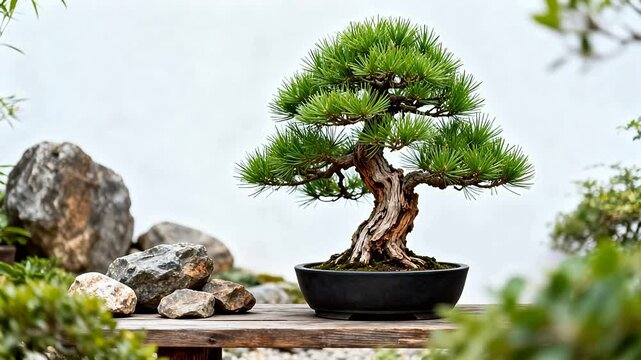
Bonsai Plant Supplier: How to Choose the Best Supplier for Healthy and Beautiful Bonsai Trees
Bonsai trees have fascinated plant lovers for centuries with their miniature beauty, artistic shapes, and calming presence. Whether displayed in a home, office, garden, or commercial space, these living works of art add elegance and tranquility to any environment. Finding the right bonsai plant supplier is the first step toward owning a healthy, long-lasting bonsai that thrives with proper care.
A professional bonsai plant supplier offers more than just plants. They provide expert guidance, premium-quality bonsai trees, essential care products, and valuable advice to help customers succeed. From beginner-friendly species to rare collector varieties, the right supplier ensures you receive healthy plants that meet your specific needs.
In this article, you’ll learn everything about choosing a trusted bonsai plant supplier, the types of bonsai available, their benefits, care requirements, and what to look for before making a purchase.
What Is a Bonsai Plant Supplier?
A bonsai plant supplier is a business or nursery that specializes in cultivating, growing, and selling bonsai trees. Unlike traditional plant nurseries, these suppliers focus specifically on bonsai cultivation and understand the unique growing requirements of each species.
Many professional suppliers offer:
- Indoor bonsai trees
- Outdoor bonsai varieties
- Flowering bonsai plants
- Fruiting bonsai trees
- Rare bonsai collections
- Bonsai pots
- Premium bonsai soil
- Fertilizers
- Pruning tools
- Decorative accessories
- Bonsai care guides
A trusted supplier also helps customers select the right bonsai based on climate, experience level, and maintenance requirements.
Why Buying from a Professional Bonsai Plant Supplier Matters
Choosing a reputable bonsai plant supplier offers many advantages compared to purchasing bonsai from a standard garden center.
Healthy Plants
Professional suppliers carefully monitor watering, pruning, fertilization, and pest control to produce healthy bonsai with strong roots and vibrant foliage.
Expert Advice
Experienced bonsai specialists understand different species and can provide personalized care recommendations.
Greater Variety
Specialized suppliers usually stock a wider range of bonsai species, sizes, and artistic styles than general nurseries.
Long-Term Value
Healthy bonsai require fewer corrective treatments and have a better chance of thriving for decades.
Customer Support
Many suppliers continue assisting customers with maintenance tips, repotting advice, and seasonal care recommendations.
Popular Types of Bonsai Trees
A quality bonsai plant supplier usually offers numerous bonsai varieties suitable for different environments.
Ficus Bonsai
Ficus bonsai is one of the easiest species to maintain. It adapts well to indoor conditions and is ideal for beginners.
Juniper Bonsai
Juniper is one of the most recognizable bonsai trees. It prefers outdoor growing conditions and regular sunlight.
Chinese Elm Bonsai
Chinese Elm features small leaves, graceful branches, and excellent adaptability.
Japanese Maple Bonsai
Known for its stunning seasonal colors, Japanese Maple creates a dramatic display throughout the year.
Jade Bonsai
Jade bonsai stores water in its thick leaves, making it highly drought-resistant and easy to care for.
Pine Bonsai
Pine bonsai represents traditional Japanese bonsai artistry and rewards experienced growers with exceptional beauty.
Benefits of Owning a Bonsai Tree
Purchasing from a reliable bonsai plant supplier provides access to plants that offer numerous benefits.
Enhances Interior Decoration
Bonsai trees create elegant focal points in homes, offices, hotels, and reception areas.
Encourages Mindfulness
Regular bonsai care promotes patience, focus, and stress relief.
Improves Air Quality
Many indoor bonsai contribute to cleaner indoor air by supporting natural oxygen production.
Educational Experience
Growing bonsai teaches pruning techniques, watering schedules, and plant development.
Long Lifespan
Many bonsai trees can live for several decades when properly maintained.
How to Choose the Best Bonsai Plant Supplier
Selecting the right bonsai plant supplier requires careful consideration.
Evaluate Experience
Choose suppliers with years of experience specializing in bonsai cultivation.
Inspect Plant Health
Healthy bonsai should have:
- Strong roots
- Green leaves
- Balanced branches
- No pests
- No fungal disease
Read Customer Reviews
Positive customer feedback often reflects consistent quality and dependable service.
Check Product Variety
A larger inventory allows customers to choose species that match their growing conditions.
Ask About Care Support
Good suppliers provide maintenance guides and ongoing customer assistance.
Compare Prices
Focus on quality instead of selecting the lowest-priced bonsai.
Indoor Bonsai vs Outdoor Bonsai
Understanding the growing environment is essential before purchasing.
Indoor Bonsai
Indoor bonsai generally require:
- Bright indirect sunlight
- Moderate humidity
- Stable room temperatures
- Regular watering
- Good air circulation
Common indoor bonsai species include:
- Ficus
- Jade
- Fukien Tea
- Hawaiian Umbrella
Outdoor Bonsai
Outdoor bonsai benefit from:
- Natural sunlight
- Seasonal weather changes
- Rainwater
- Fresh air
- Winter dormancy
Popular outdoor varieties include:
- Juniper
- Pine
- Japanese Maple
- Chinese Elm
- Spruce
A knowledgeable bonsai plant supplier can recommend species suitable for your local climate.
Essential Bonsai Care Tips
Maintaining a healthy bonsai requires consistent care.
Water Properly
Water thoroughly whenever the top layer of soil begins to dry. Avoid allowing roots to remain waterlogged.
Provide Adequate Sunlight
Each species has different light requirements. Follow supplier recommendations carefully.
Fertilize Regularly
Balanced bonsai fertilizer encourages healthy leaves, roots, and branch development.
Prune Frequently
Regular pruning preserves the tree’s miniature appearance while encouraging dense foliage.
Repot Periodically
Repot young bonsai every two years and mature trees every three to five years.
Watch for Pests
Inspect leaves and branches regularly for insects, fungal infections, or nutrient deficiencies.
Bonsai Accessories Available from Suppliers
Most professional bonsai plant suppliers offer everything needed for successful bonsai care.
Bonsai Pots
Available in ceramic, clay, and decorative designs.
Bonsai Soil
Specialized soil promotes proper drainage and root health.
Pruning Tools
Precision scissors, branch cutters, and trimming tools improve shaping accuracy.
Training Wire
Wire allows growers to guide branch growth into artistic forms.
Fertilizers
Balanced nutrients support healthy seasonal growth.
Humidity Trays
Humidity trays increase moisture around indoor bonsai trees.
Commercial Applications of Bonsai Trees
Businesses often purchase bonsai trees to enhance their interiors.
Hotels
Elegant bonsai displays create welcoming reception areas.
Offices
Small bonsai improve workplace aesthetics and encourage a calming atmosphere.
Restaurants
Japanese and Asian-inspired restaurants frequently feature bonsai as decorative elements.
Retail Stores
Bonsai displays attract customer attention while enhancing store design.
Corporate Gifts
Premium bonsai trees make memorable business gifts for clients and employees.
Advantages of Buying from Local and Online Suppliers
Today’s buyers can choose between local nurseries and online bonsai plant suppliers.
Local Suppliers
Benefits include:
- Personal inspection before purchase
- Face-to-face expert advice
- Immediate pickup
- Local climate recommendations
Online Suppliers
Advantages include:
- Larger selection
- Rare species availability
- Convenient home delivery
- Competitive pricing
Choose suppliers that use secure packaging to protect delicate branches during shipping.
Frequently Asked Questions
Which bonsai tree is best for beginners?
Ficus and Jade bonsai are excellent beginner choices because they are hardy and require relatively simple care.
How often should I water my bonsai?
Water when the soil begins to dry. Watering frequency depends on species, temperature, humidity, and pot size.
Can bonsai survive indoors?
Yes. Many species grow successfully indoors with sufficient light and proper maintenance.
How long can a bonsai tree live?
With proper care, many bonsai trees live for several decades, while some historic specimens are hundreds of years old.
Why choose a specialized bonsai plant supplier?
Specialized suppliers provide healthier plants, expert advice, premium accessories, and ongoing customer support.
What accessories should I buy with my bonsai?
Essential accessories include bonsai soil, pruning tools, fertilizer, a suitable pot, and a watering can.
Conclusion
Selecting a trusted bonsai plant supplier is the foundation of a successful bonsai journey. Professional suppliers offer healthy trees, expert guidance, quality accessories, and valuable customer support that help both beginners and experienced enthusiasts grow beautiful bonsai with confidence. Whether you are decorating your home, enhancing an office, creating a peaceful garden, or expanding a personal collection, purchasing from a reliable bonsai plant supplier ensures lasting beauty and satisfaction. With proper care and regular maintenance, your bonsai can become a timeless symbol of patience, balance, and natural artistry for many years to come.