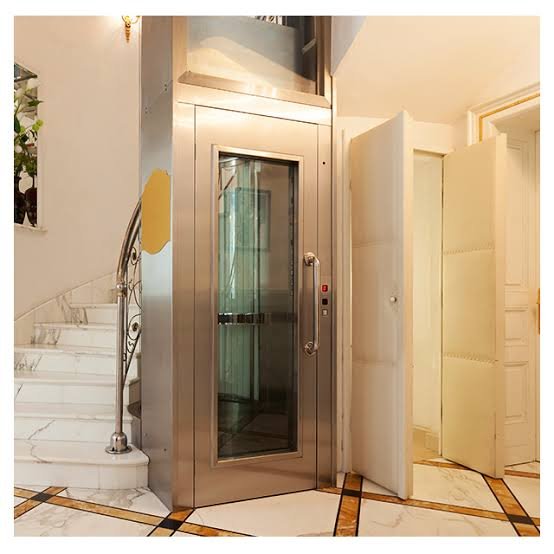
Home Elevator Manufacturer: Complete Guide to Choosing the Best Residential Elevator
Introduction
A home elevator manufacturer designs and produces elevators specifically made for residential buildings. As modern homes become larger and multi-story living becomes more common, home elevators have become a practical and stylish solution. They improve accessibility, increase property value, and make daily life easier for people of all ages.
Choosing the right manufacturer is one of the most important decisions when buying a home elevator. A trusted company provides high-quality products, reliable installation, advanced safety features, and long-term customer support. This guide explains everything you need to know before selecting a home elevator manufacturer.
What Is a Home Elevator Manufacturer?
A home elevator manufacturer is a company that designs, engineers, tests, and produces residential elevator systems. These elevators are built for private homes rather than commercial buildings.
Manufacturers often provide complete solutions, including:
- Elevator design
- Manufacturing
- Installation
- Safety testing
- Maintenance services
- Technical support
- Replacement parts
Professional manufacturers ensure their elevators meet local and international safety standards while delivering smooth, quiet, and efficient performance.
Why Home Elevators Are Growing in Popularity
Home elevators are no longer considered luxury items only for large mansions. Today, homeowners install elevators for convenience, comfort, and future planning.
Several reasons explain their growing popularity:
- Easier movement between floors
- Better accessibility for seniors
- Improved mobility for disabled family members
- Increased home value
- Enhanced modern appearance
- Convenience when carrying heavy items
- Aging-in-place solutions
Many families install elevators today to prepare their homes for future needs.
Types of Home Elevators
A reliable home elevator manufacturer usually offers several elevator options.
Hydraulic Elevators
Hydraulic elevators use fluid pressure to lift the cabin. They provide smooth rides and high lifting capacity.
Advantages include:
- Quiet operation
- Strong lifting power
- Reliable performance
Traction Elevators
Traction elevators use cables and counterweights.
Benefits include:
- Energy efficiency
- Faster operation
- Lower maintenance
- Suitable for multiple floors
Pneumatic Vacuum Elevators
These elevators operate using air pressure.
Advantages include:
- Space-saving design
- Easy installation
- Modern appearance
- Minimal construction work
Machine Room-Less (MRL) Elevators
MRL elevators eliminate the need for a separate machine room.
Benefits include:
- Space efficiency
- Lower construction costs
- Modern technology
- Energy savings
Features Offered by a Home Elevator Manufacturer
Modern manufacturers include advanced features to improve safety and comfort.
Common features include:
- Automatic doors
- Emergency battery backup
- Power failure rescue system
- Touchscreen controls
- LED lighting
- Voice announcements
- Remote monitoring
- Quiet motor systems
- Smart home integration
- Anti-slip flooring
Premium manufacturers also offer custom cabin designs and luxury interior finishes.
Benefits of Installing a Home Elevator
Installing a residential elevator offers several long-term advantages.
Improved Accessibility
People with limited mobility can safely move between floors without climbing stairs.
Greater Independence
Homeowners can continue living comfortably in multi-level homes as they age.
Increased Property Value
Homes with elevators often attract more buyers and have higher resale values.
Enhanced Safety
Using an elevator reduces the risk of falls and stair-related injuries.
Everyday Convenience
Moving groceries, luggage, laundry, and furniture becomes much easier.
How to Choose the Right Home Elevator Manufacturer
Choosing the right manufacturer requires careful research.
Consider these important factors:
Experience
Look for manufacturers with many years of industry experience.
Product Quality
Choose companies using high-quality materials and modern engineering.
Safety Certifications
Ensure products meet national and international safety standards.
Customer Reviews
Read testimonials and independent reviews before making a decision.
Warranty
Reliable manufacturers provide comprehensive warranties covering major components.
Installation Team
Professional installation ensures long-term safety and smooth performance.
Maintenance Support
Choose manufacturers offering regular maintenance and emergency repairs.
Safety Standards Every Manufacturer Should Follow
Safety should always be the highest priority.
A reputable home elevator manufacturer follows strict regulations regarding:
- Emergency brakes
- Door interlock systems
- Overspeed protection
- Alarm systems
- Emergency communication
- Backup power supply
- Fire safety compliance
- Weight capacity limits
Regular inspections and maintenance also help keep elevators operating safely.
Customization Options for Residential Elevators
Today’s homeowners can personalize almost every aspect of their elevator.
Popular customization choices include:
Cabin Design
- Glass walls
- Wooden interiors
- Stainless steel finishes
- Luxury decorative panels
Flooring
- Marble
- Vinyl
- Hardwood
- Granite
Lighting
- LED ceiling lights
- Ambient lighting
- Decorative fixtures
Door Styles
- Automatic sliding doors
- Swing doors
- Glass doors
Control Panels
- Touchscreen displays
- Digital floor indicators
- Braille buttons
- Voice guidance
Customization allows homeowners to match the elevator with their home’s interior style.
Installation Process Explained
The installation process usually follows several steps.
Home Inspection
Engineers inspect the property and determine installation requirements.
Design Planning
The manufacturer creates a customized elevator plan.
Site Preparation
Construction work prepares the shaft, electrical systems, and support structure.
Elevator Installation
Certified technicians install all mechanical and electrical components.
Safety Testing
The system undergoes extensive testing before use.
Final Handover
Homeowners receive operating instructions and maintenance schedules.
Professional installation typically takes several days to a few weeks depending on the project.
Maintenance and After-Sales Support
Regular maintenance extends elevator life and improves safety.
Good manufacturers provide:
- Annual inspections
- Preventive maintenance
- Emergency repair services
- Replacement parts
- Technical support
- Software updates
- Safety inspections
Following the recommended maintenance schedule helps prevent costly repairs.
Cost Factors of Home Elevators
Several factors influence elevator pricing.
These include:
- Elevator type
- Number of floors
- Weight capacity
- Cabin size
- Interior finishes
- Custom features
- Installation complexity
- Local labor costs
- Maintenance plans
While home elevators require an initial investment, many homeowners view them as valuable long-term improvements.
Common Mistakes to Avoid When Buying
Avoid these common purchasing mistakes.
- Choosing the cheapest option without checking quality
- Ignoring safety certifications
- Skipping maintenance agreements
- Hiring inexperienced installers
- Not comparing multiple manufacturers
- Overlooking warranty coverage
- Ignoring future accessibility needs
- Selecting an elevator without enough weight capacity
Taking time to research manufacturers leads to better long-term satisfaction.
Frequently Asked Questions
How long does a home elevator last?
A quality residential elevator can last 20 to 30 years or more with proper maintenance.
Are home elevators safe?
Yes. Modern home elevators include numerous safety systems such as emergency brakes, backup power, alarms, and door sensors.
Do home elevators require regular maintenance?
Yes. Most manufacturers recommend professional maintenance at least once or twice each year.
Can a home elevator be installed in an existing house?
Yes. Many modern elevator systems are designed specifically for retrofit installations in existing homes.
Does installing a home elevator increase property value?
In many cases, yes. Home elevators improve accessibility and can make properties more attractive to future buyers.
How much space is needed for a home elevator?
Space requirements depend on the elevator type. Some compact models require only a small footprint, making them suitable for many homes.
Conclusion
Choosing the right home elevator manufacturer is essential for ensuring safety, reliability, and long-term value. A trusted manufacturer offers high-quality products, professional installation, excellent customer service, and dependable maintenance support. Whether you are building a new home or upgrading an existing one, investing in a residential elevator can improve accessibility, enhance convenience, and increase your property’s value. By comparing manufacturers, understanding available elevator types, and focusing on safety and quality, you can confidently select the ideal home elevator solution for your family’s needs.