Smart Pedestrian Crossing System: A Smarter Solution for Safer Roads
Introduction
A smart pedestrian crossing system is an innovative traffic management solution designed to improve road safety for pedestrians and drivers alike. As cities continue to grow and traffic becomes more congested, traditional pedestrian crossings often struggle to provide the level of safety needed in busy urban environments. Smart technology offers a more effective way to protect people by using sensors, artificial intelligence, cameras, and real-time traffic monitoring to manage pedestrian movement efficiently.
Modern smart pedestrian crossing systems are becoming increasingly popular in smart cities because they reduce accidents, improve traffic flow, and provide greater accessibility for people of all ages and abilities. Whether installed near schools, hospitals, shopping centers, or busy intersections, these intelligent systems help create safer and more organized road environments.
What Is a Smart Pedestrian Crossing System?
A smart pedestrian crossing system is an advanced crossing solution that uses intelligent technologies to detect pedestrians and control traffic signals automatically. Unlike traditional crosswalks that rely only on fixed timers or manual push buttons, smart systems respond to real-time conditions.
The system can identify pedestrians waiting to cross, measure traffic density, adjust signal timing, and even provide alerts to approaching drivers. Some advanced models use artificial intelligence to predict pedestrian behavior and improve overall traffic safety.
These systems are designed to reduce human error while creating a more responsive transportation infrastructure.
How a Smart Pedestrian Crossing System Works
A smart pedestrian crossing system combines several technologies to operate efficiently. The process typically includes:
- Detecting pedestrians using motion sensors or cameras
- Monitoring vehicle speed and traffic flow
- Activating traffic lights automatically
- Extending crossing time when necessary
- Warning drivers through flashing LED signs
- Recording traffic data for future analysis
Some systems also connect to central traffic management software, allowing city authorities to monitor multiple intersections from one control center.
Main Components of a Smart Pedestrian Crossing System
Several important components work together to ensure reliable operation.
Pedestrian Detection Sensors
Infrared sensors, radar sensors, and thermal cameras detect people waiting to cross. These sensors work in different weather conditions and during both day and night.
Smart Traffic Signals
Traffic lights automatically change based on pedestrian demand instead of operating only on fixed schedules.
LED Crosswalk Lighting
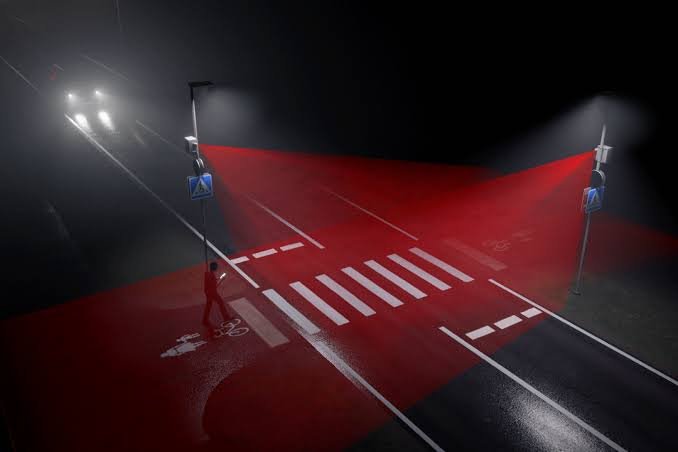
Bright LED lights embedded in the road surface increase crosswalk visibility, especially during nighttime or poor weather conditions.
AI Cameras
Artificial intelligence cameras recognize pedestrian movement and help predict crossing behavior while monitoring traffic conditions.
Control Unit
The central controller processes information from sensors and manages all crossing operations in real time.
Communication Network
Wireless communication connects the crossing system with city traffic management centers for monitoring and maintenance.
Benefits of a Smart Pedestrian Crossing System
Installing a smart pedestrian crossing system offers many advantages for both pedestrians and drivers.
Improved Road Safety
The biggest advantage is reducing pedestrian accidents by ensuring vehicles stop when people are crossing.
Better Traffic Flow
Traffic signals operate more efficiently, reducing unnecessary waiting times for both pedestrians and drivers.
Increased Visibility
LED lighting and warning signs make crossings easier to see, even during heavy rain, fog, or nighttime.
Enhanced Accessibility
Smart systems provide longer crossing times for elderly individuals, children, and people with disabilities.
Lower Traffic Congestion
Adaptive traffic control minimizes delays by adjusting signal timing according to real traffic conditions.
Real-Time Monitoring
City officials can monitor system performance remotely and respond quickly to maintenance needs.
Features of a Smart Pedestrian Crossing System
Modern systems include numerous intelligent features that improve performance.
- Automatic pedestrian detection
- AI-based traffic analysis
- Adaptive signal timing
- LED illuminated crosswalks
- Audible crossing signals
- Emergency vehicle priority
- Remote monitoring
- Cloud-based data storage
- Weather-resistant operation
- Energy-efficient design
- Solar power compatibility
- Real-time traffic reporting
These features make the system suitable for both small towns and large metropolitan areas.
Applications of Smart Pedestrian Crossing Systems
A smart pedestrian crossing system can be installed in many different locations.
School Zones
Children often cross roads during busy hours. Smart crossings improve safety by slowing traffic and increasing driver awareness.
Hospitals
Patients, visitors, and healthcare workers benefit from safer and more accessible crossings near medical facilities.
Shopping Centers
Busy retail areas experience high pedestrian traffic throughout the day, making intelligent crossings especially valuable.
Public Transportation Stations
Bus stops and train stations generate continuous pedestrian movement that requires efficient traffic management.
Residential Areas
Neighborhoods with parks and playgrounds benefit from improved pedestrian protection.
Smart Cities
Smart pedestrian crossing systems play a major role in connected urban transportation networks.
Technologies Used in Smart Pedestrian Crossing Systems
Several advanced technologies work together to create an intelligent crossing solution.
- Artificial Intelligence
- Internet of Things (IoT)
- Machine Learning
- Computer Vision
- Radar Technology
- Infrared Sensors
- Thermal Imaging Cameras
- Cloud Computing
- Wireless Communication
- GPS Integration
- Edge Computing
- Data Analytics
These technologies help improve accuracy, reliability, and system performance.
Why Smart Cities Need Smart Pedestrian Crossing Systems
As urban populations increase, cities face greater traffic challenges every year. Traditional pedestrian crossings often cannot respond effectively to changing traffic conditions.
A smart pedestrian crossing system helps cities achieve several important goals:
- Reduce pedestrian injuries
- Improve transportation efficiency
- Lower vehicle emissions through smoother traffic flow
- Support sustainable urban development
- Increase public confidence in road safety
- Collect valuable traffic data for city planning
Many governments now include intelligent crossing systems in their long-term smart city development strategies.
Challenges of Smart Pedestrian Crossing Systems
Despite their many advantages, these systems also face several challenges.
High Installation Cost
Advanced sensors, cameras, and communication equipment require significant initial investment.
Regular Maintenance
Electronic components require periodic inspections and software updates.
Weather Conditions
Although designed for outdoor environments, heavy snow, flooding, or extreme weather may affect sensor performance.
Cybersecurity
Connected traffic infrastructure must be protected against unauthorized access and cyber threats.
Public Awareness
Drivers and pedestrians need proper education to understand how intelligent crossings operate.
Future Trends in Smart Pedestrian Crossing Systems
Technology continues to improve rapidly, making future systems even more intelligent.
Upcoming developments may include:
- Fully AI-controlled intersections
- Vehicle-to-infrastructure communication
- Autonomous vehicle integration
- 5G connectivity
- Predictive traffic management
- Facial recognition for traffic analysis
- Smart wearable device integration
- Enhanced accessibility features
- Carbon-neutral solar-powered systems
- Advanced pedestrian behavior prediction
These innovations will further improve road safety and transportation efficiency.
Tips for Choosing a Smart Pedestrian Crossing System
When selecting a smart pedestrian crossing system, consider the following factors:
- Detection accuracy
- AI capabilities
- Weather resistance
- Energy efficiency
- Maintenance requirements
- Integration with existing traffic infrastructure
- Data reporting features
- Scalability
- Security standards
- Long-term operating costs
Choosing the right solution ensures reliable performance and maximum public safety.
Conclusion
A smart pedestrian crossing system is transforming road safety by combining artificial intelligence, sensors, real-time monitoring, and intelligent traffic control into one efficient solution. These advanced systems reduce pedestrian accidents, improve traffic flow, enhance accessibility, and support the development of safer smart cities.
As governments and municipalities continue investing in intelligent transportation infrastructure, smart pedestrian crossing systems will become an essential part of modern urban planning. Their ability to respond to real-time traffic conditions, protect vulnerable road users, and improve overall transportation efficiency makes them one of the most valuable innovations in today’s road safety technology. By adopting these intelligent crossing solutions, communities can build safer, smarter, and more sustainable roads for future generations.