Why Hybrid Learning is the New Normal: Navigating the Challenges of 12th-Grade Graduation
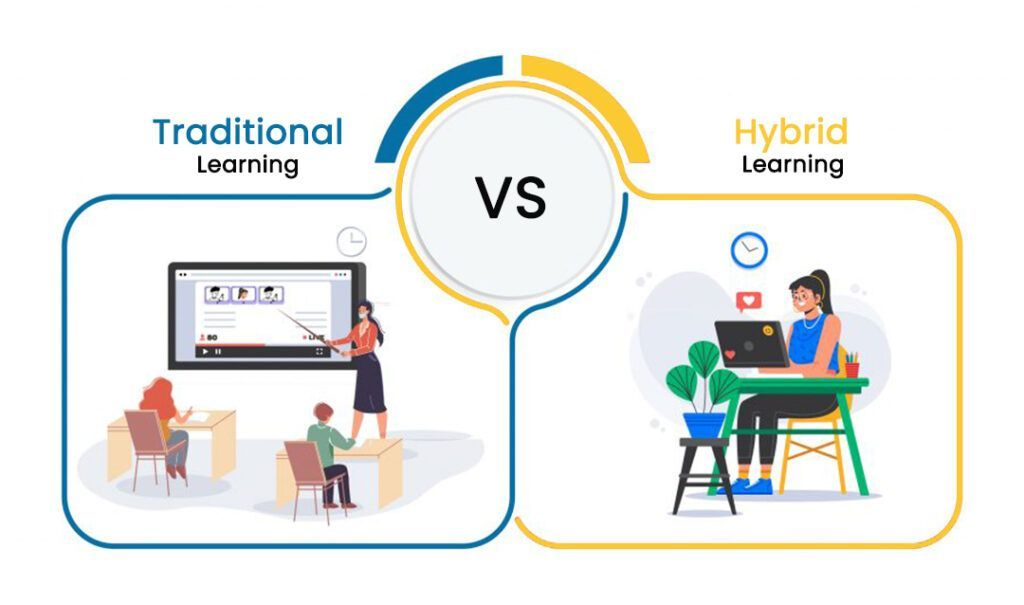
The traditional high school experience has undergone a massive transformation. Not long ago, the idea of “going to school” meant sitting in a physical classroom from 8:00 AM to 3:00 PM. Today, for millions of 12th-grade students across the United States, the classroom is wherever they have a Wi-Fi connection. Hybrid learning—a mix of in-person instruction and digital coursework—has moved from a temporary emergency measure to the established “new normal.”
For seniors preparing for graduation, this shift brings a unique set of advantages and hurdles. As you stand on the doorstep of adulthood, navigating the final stretch of K-12 education requires more than just academic knowledge; it requires digital fluency and the ability to manage your time across two different worlds.
The Shift Toward a Flexible Future
Why did hybrid learning stick? The answer lies in the flexibility it offers. Modern 12th graders are often balancing more than just homework. Many hold part-time jobs, participate in high-level sports, or are already diving into college-level internships. The hybrid model acknowledges that a rigid schedule doesn’t always fit a modern life.
However, with great flexibility comes great responsibility. In a physical classroom, a teacher can see when a student is struggling or distracted. In a digital environment, that “safety net” is thinner. Success in a hybrid setting depends heavily on a student’s initiative. This is where the challenge of 12th-grade graduation becomes real: you are essentially being asked to function like a college student or a working professional before you’ve even received your diploma.
Navigating the Academic Workload
The transition to graduation is famous for “Senioritis,” but the hybrid model can actually make this feeling worse if you aren’t careful. When you aren’t in a classroom every day, it’s easy to let assignments pile up. The complexity of the 12th-grade curriculum—ranging from Advanced Placement (AP) courses to specialized electives—doesn’t leave much room for error.
One of the biggest hurdles students face is the technical nature of modern assignments. For those pursuing STEM tracks, the work isn’t just about reading a textbook; it’s about mastering complex software and data analysis. Whether you are working on a physics simulation or a complex coding project, the digital side of hybrid learning can feel overwhelming. Many students find that they need extra help with assignment tasks to stay on track during the weeks they aren’t meeting with teachers face-to-face. This support isn’t about taking shortcuts; it’s about finding the right resources to clarify difficult concepts when you’re working independently at home.
The STEM Challenge: A Closer Look at Technical Subjects
In the hybrid era, technical subjects present a specific difficulty. Take mathematics and engineering, for example. In a physical lab, you have a tutor or instructor standing over your shoulder. In a remote setting, you are often left to troubleshoot software bugs on your own.
For many 12th graders looking toward engineering or data science degrees, mastering tools like MATLAB is a graduation requirement. Learning to script and visualize data is a massive jump from basic algebra. If you find yourself stuck on a complex script on a “remote day,” seeking matlab assignment help can be the difference between a passing grade and a stressful weekend. Leveraging specialized support ensures that you are actually learning the logic behind the code, rather than just staring at a flashing cursor.
Mental Health and the Social Aspect of Graduation
We cannot talk about the “new normal” without mentioning the social cost. Senior year is supposed to be full of milestones—prom, rallies, and daily interactions with friends. The hybrid model can sometimes feel isolating. Spending three days a week behind a screen can lead to “Zoom fatigue” and a sense of detachment from the school community.
To navigate this, students must be intentional about their social lives. Hybrid learning requires you to schedule “analog” time. This means putting the phone away, closing the laptop, and meeting friends in person. Maintaining these social bonds is crucial for mental health, which in turn fuels academic performance. A happy, connected student is a productive student.
Time Management: The Ultimate Graduation Skill
If there is one skill that will determine your success in a hybrid 12th-grade year, it is time management. You are no longer just a student; you are a project manager of your own life.
Here are a few “human-tested” strategies to help you cross the graduation finish line:
- The Power of the Planner: Whether it’s a digital Google Calendar or a physical paper planner, you need to see your week at a glance. Mark your “in-person” days vs. “remote” days clearly.
- The 50/10 Rule: Work for 50 minutes, then take a 10-minute break away from all screens. This prevents the burnout that often comes with hybrid schedules.
- Dedicated Workspace: Don’t do your schoolwork in bed. Your brain needs to associate a specific spot with “work mode” and your bed with “rest mode.”
- Ask for Help Early: Don’t wait until the night before a deadline to realize you don’t understand the prompt. Reach out to teachers or online academic resources as soon as a concept feels blurry.
Preparing for What Comes Next
The most significant benefit of the hybrid model is that it perfectly mirrors the “real world.” Most modern universities and high-paying jobs now operate on a hybrid or remote basis. By navigating the challenges of 12th-grade graduation in this format, you are essentially going through a “dry run” for your future career.
You are learning how to communicate via email, how to troubleshoot your own tech issues, and how to stay disciplined without a boss or teacher hovering over you. These “soft skills” are arguably just as important as the grades on your transcript.
Conclusion
Graduating high school is a monumental achievement, and doing it in a hybrid environment makes you part of a resilient generation. While the lack of daily structure can be challenging, the independence you gain is a powerful tool.
Stay curious, stay organized, and don’t be afraid to lean on your community—both in-person and digital—to get the support you need. The “new normal” isn’t just a hurdle to jump over; it’s a platform to help you launch into a successful, self-driven future.